Along with our Basic Agreement, all members are expected to follow our Food Safety Standard for Member Agencies. For questions, contact the Director of Community Impact, Hope Indeglia O’Brien.
Food Bank member agencies are required to have several Food Safety Licenses per the RI Department of Health’s Food Code and the Food Bank’s Basic Agreement and Food Safety Standard. These licenses can be confusing, so please do not hesitate to contact Hope Indeglia O’Brien, Director of Community Impact, with any questions you may have, or find answers to frequently asked food safety questions.
Meal site members are required to carry current Food Safety licenses. For the full course requirements, go here: ServSafe Course + Online Exam Bundle + Online Proctoring
For the exam and proctoring only, go here: ServSafe Online Exam + Online Proctoring
Food pantries and all other membership types are required to carry current Food Handler certificates. There are two parts to this requirement.
Part I: Take the online ServSafe Food Handler course here.
Part II: Schedule a training with our staff for Food Bank specific training. Contact Hope Indeglia O’Brien, Director of Community Impact, with any questions and contact Jen Hazard to register for the Part II training.
Per our Food Safety Standard, all donations, whether they are dry goods, fresh produce, or cold/frozen products, must be tracked on a Donation Log.
Your agency may choose to use your own logging system, or you can use the Food Bank’s Donation Log template / Food Bank’s Donation Log template (Spanish).
When tracking donations, be sure to log the following:
A general description of the food donation
The amount donated
The source of the donation
If the donation is a cold or frozen product, the temperature at receiving. Cold products must be at or below 41° F and frozen products must be at or below 0° F.
Since cold foods can harbor pathogenic microorganisms and permit their growth or the production of toxins, special care must be taken to keep them out of the temperature danger zone for as long as possible, the temperature danger zone being between 41° F to 135° F.
It is also important to keep receipts of food donations for food safety reasons. Receipts should indicate the date and time of the donation and include back up for temperatures of any cold food products upon arrival.
Explore More

Partner Agency Tools
Access essential tools, forms, and resources designed to support partner agency operations.
Learn More
Ordering & Statistics
Find ordering information, reporting requirements, and key program statistics.
Learn More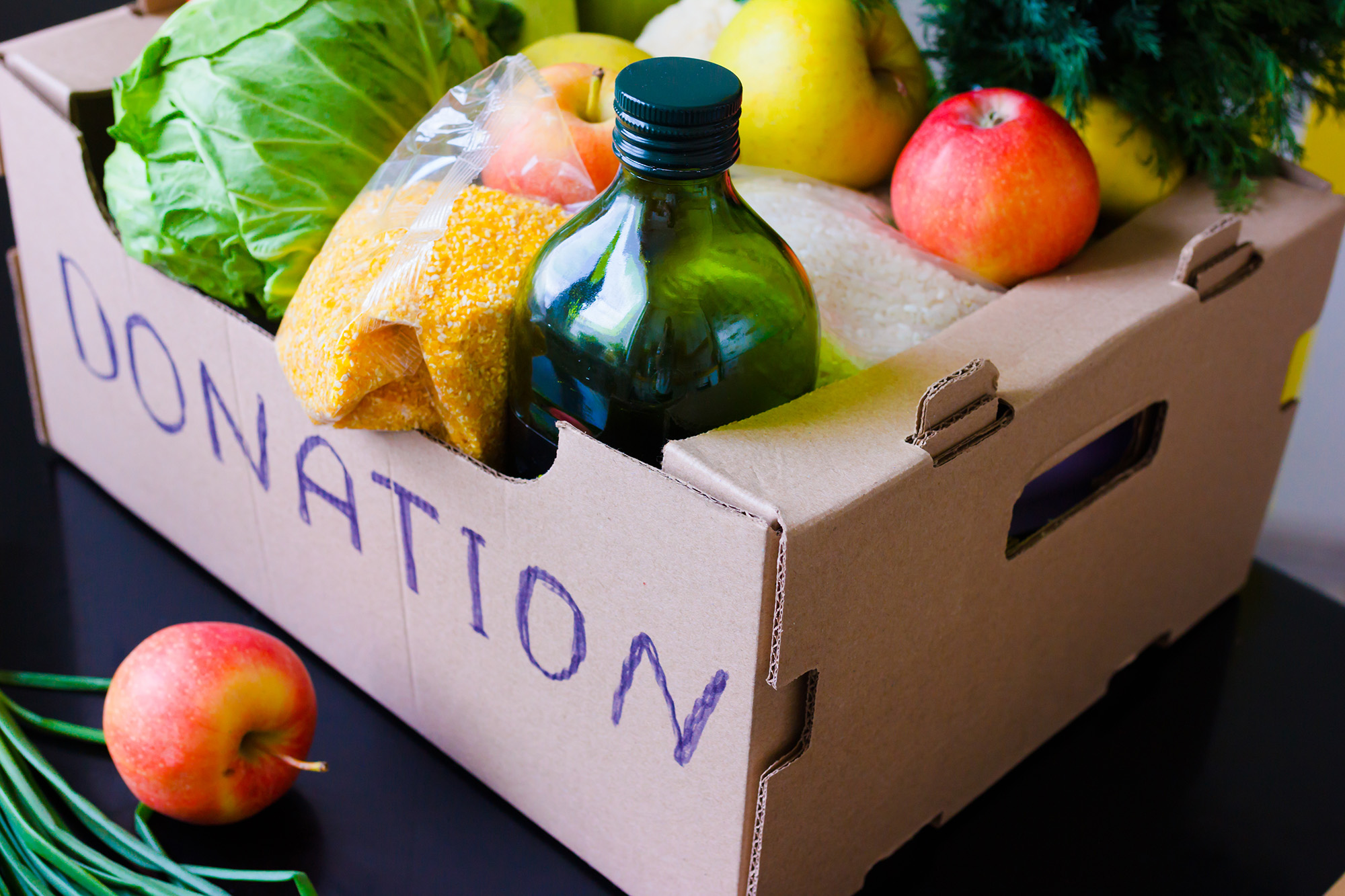
Food Safety & Recalls
Stay informed with food safety guidelines, recall notices, and compliance resources.
Learn More

Workshops & Trainings
Explore upcoming workshops, training opportunities, and educational materials.
Learn More
General Resources
Browse additional documents, guides, and helpful information for partner agencies.
Learn MoreJoin Our Email List
Stay up to date on the need for food assistance in our community and how you can help.