Community Nutrition
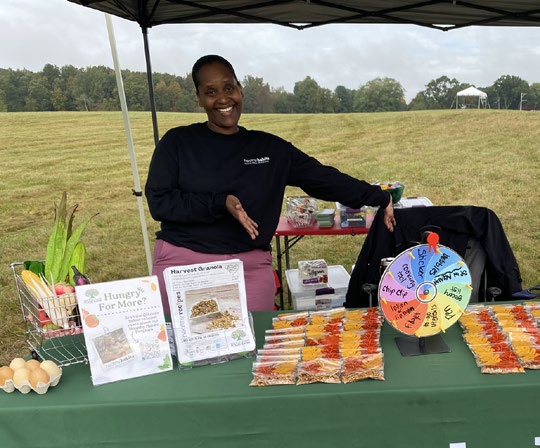
The Food Bank’s Community Nutrition program, known as Healthy Habits, empowers under-resourced families and individuals to eat healthier on a budget. Through the lens of accessibility, cultural relevance and health equity, our culinary and nutrition professionals provide practical education in the form of classes, workshops and demonstrations on topics ranging from cooking for children to managing chronic disease. Last year, the Healthy Habits team provided 155 classes, demonstrations and workshops, helping nearly 3,000 guests improve their health through food.
Kids Cafe
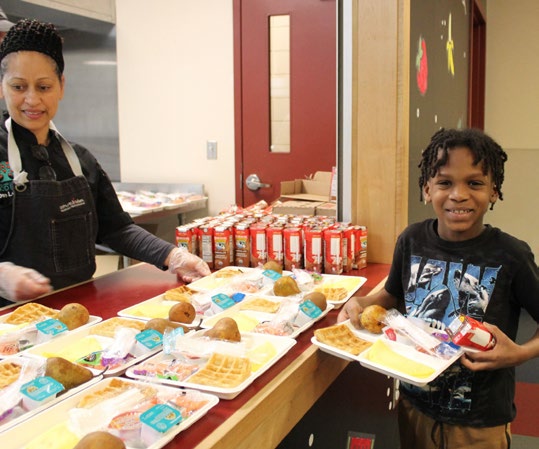
Kids Cafe provides healthy evening meals to children from elementary to teen, at risk of hunger at three after-school programs. These include the Boys & Girls Club of East Providence, the Boys & Girls Club of Pawtucket and Segue Institute for Learning in Central Falls. In FY25, our chefs prepared nearly 88,000 healthy meals, delivered Monday through Friday, at no cost to our partner sites and the families they serve. In addition to healthy, culturally diverse meals, the team engages the kids in voting on the foods they like best to create buy-in, and provides kid-friendly nutrition education, designed to engage students’ healthy eating habits and basic cooking skills.
CSFP Senior Box
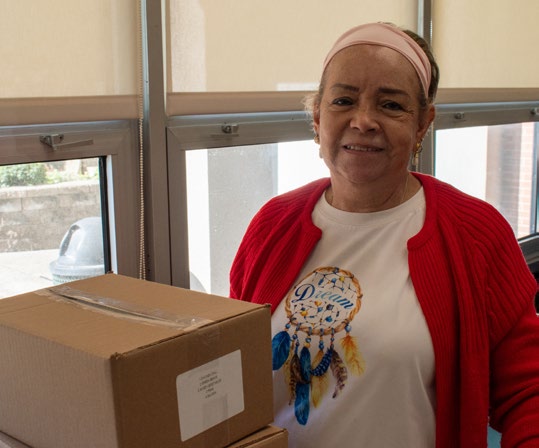
The Senior Box Program, or the Commodity Supplemental Food Program (CSFP), is a USDA federal nutrition program that provides qualified older adults living with low-incomes, a box of grocery staples to help stretch their food budgets. The Food Bank partnered with 38 low-income senior high rises and senior centers to provide monthly food boxes to more than 2,000 older adults.
Meals4Kids
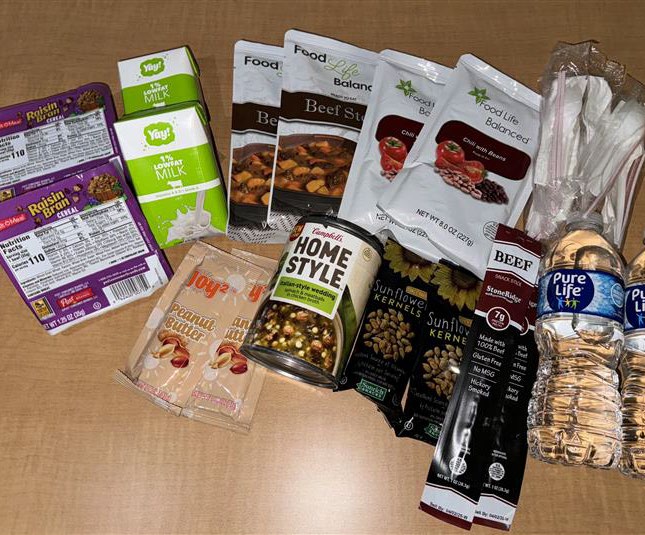
Meals4Kids boxes provide five days of healthy breakfasts, lunches and snacks, as well as kids’ activities and information about social service resources. The boxes help families fill in the gaps between the meals their kids receive at school and those provided at home. Boxes are distributed through food pantries and community organizations, and include cereal, macaroni and cheese, snack bars and tuna with crackers. Last year, the Food Bank distributed 9,781 of the shelf-stable boxes to support families with children.

To-Go Bags
To-Go Bags were created to support our unhoused guests, who have different food needs than what is provided at a food pantry. Packed in reusable drawstring backpacks, the To-Go Bags contain seven light meals and sixteen snacks, that are easy to open, pre-cooked and don’t require refrigeration. Over 13,000 bags were distributed last year in high-need urban areas across the state.