Healthy Habits Recipes
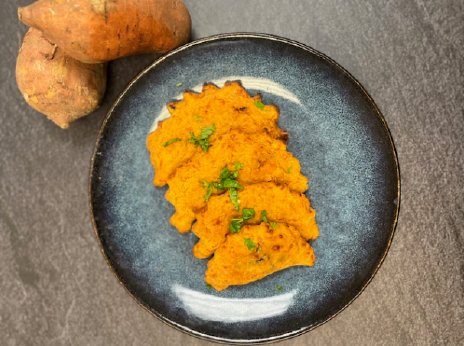
Our Healthy Habits team develops delicious, seasonal recipes, using nutritious, cost-effective ingredients commonly found at our member agencies. Click the link to find more Healthy Habits favorites and follow us!
Nutrition Education
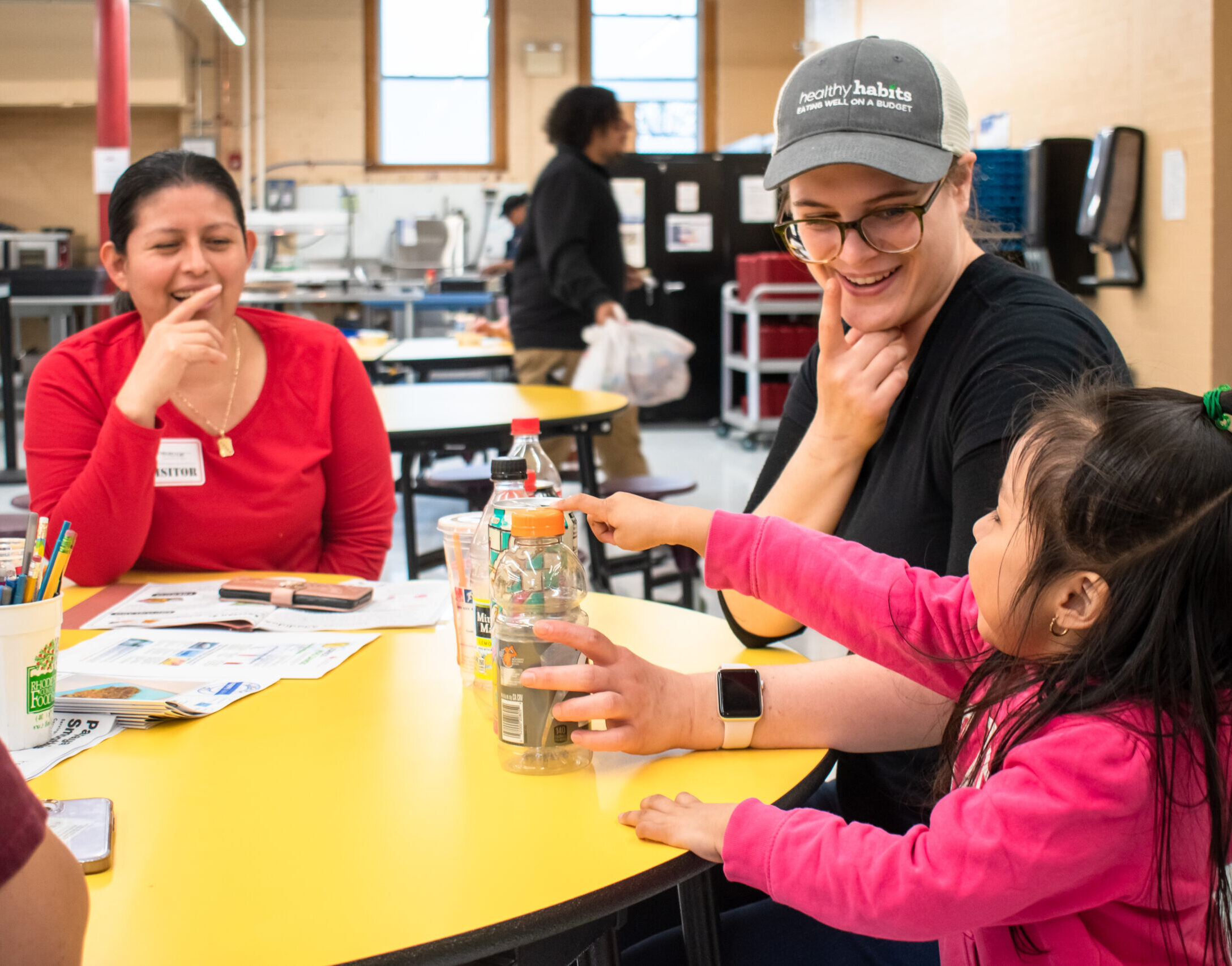
Eating Well on a Budget is the community nutrition program of the Rhode Island Community Food Bank. Our team of culinary and nutrition professionals work directly with the Food Bank’s network of partner agencies and their guests to provide relevant, practical, and science-based nutrition information to the communities we serve. Through a variety of in-person and virtual outreach, Healthy Habits works to bridge the gap between food insecurity and health for the guests of our member agencies.
Our Offerings
Healthy Habits is currently accepting invitations to host classes, workshops, and cooking demonstrations at member agencies for guests, staff, and volunteers. To learn more, contact Community Nutrition Manager, Flannery Whatley, at fwhatley@rifoodbank.org.
Highlight an ingredient, specific cultural cuisine, or let us choose a popular Healthy Habits recipe to demonstrate. These are best for agency guests who are waiting to shop at a pantry, enjoying a meal at a meal site, or at an event where a table can be set up.
The team offers many topics for a deeper dive into health and nutrition. Workshops are conducted at Food Bank member agencies, last 1 to 2 hours, and include:
-
Food Too Good to Waste: Reducing food waste at home
-
Get the Facts: How to read a nutrition facts label
-
Good Grains: All about grains
-
Nutrition 101: Basics of building a healthy plate
-
Recipe for Wellness: Preventing chronic diseases
-
Savvy Shoppers: Shopping on a budget
Nutrition education courses run for 4 to 6 weeks, with classes meeting 1 to 2 hours per week. These courses include nutrition lessons, cooking demonstrations, food samplings, giveaways, and a workbook.
Classes include:
-
Healthy Living for Adults: Geared toward adults of any age, participants learn about health, nutrition, and eating well on a budget through activities, discussions, and recipe tastings.
-
Raising Happy, Healthy Eaters: Designed for families and caretakers with school-aged children and younger, this course covers the basics of a healthy diet, tips for involving kids in the kitchen, ways to stay active as a family, and food budgeting.
-
Teen Series: For teens ages 13 to 19, this program focuses on developing practical, age-appropriate kitchen skills. Each class pairs a new kitchen skill with a related nutrition lesson to reinforce healthy eating behaviors.
-
Healthy Habits, Happy Kids: Created for elementary school-aged children and pre-teens, this program focuses on building lifelong healthy habits through hands-on nutrition activities.
-
Healthy Habits, Chef’s Academy: Geared toward elementary school-aged children, this program develops practical, age-appropriate kitchen skills. Each class highlights a new kitchen skill paired with a nutrition lesson, with hands-on practice by creating a new recipe.
-
Learning with LANA: Designed for preschool-aged children, this curriculum encourages trying new foods and introduces basic nutrition concepts through fun, interactive lessons with class mascot Lana the Iguana.
Resources
The nutrition professionals on our Community Nutrition team also regularly prepare accessible, bilingual educational materials, which serve as helpful guides to learn more about nutrition and healthy living. Community partners and community members should feel free to utilize and distribute these materials as they see fit. Check back often for more!
All PDFs are bilingual: English on page 1 and Spanish on page 2.
Heart Wise – Learn about healthy fats to protect your heart
Heart Wise PDF
Move More – A guide to maintaining mobility for older adults
Move More PDF
Salt Savvy – How to reduce sodium intake
Salt Savvy PDF
Good Grains – What are grains and which ones are better for you
Good Grains PDF
Fun Ways to Eat Together – Ideas to make dining together fun
Eating Together PDF
Worksheet: Rainbow Fruits & Veggie Tracker – Track the different colored fruits and vegetables you ate this week. Aim to eat a rainbow.
Rainbow Fruit & Veggie Tracker PDF
All PDFs are bilingual: English on page 1 and Spanish on page 2.
How to Thaw Frozen Foods – A guide to safely thawing frozen foods
Guide to Safe Thawing PDF
How to Cook with Canned Goods
How to Cook with Dry Milk – A guide to cooking with dry, or powdered, milk
Cooking with Dry Milk PDF
Smart Shopping Tips – Ways to stretch your dollar when buying groceries
Smart Shopping PDF
How to Store Fresh Produce – How to properly store fresh produce to make it last as long as possible
Storing Fresh Produce PDF
How to Read a Nutrition Facts Label
Reading Nutrition Facts PDF
All PDFs are bilingual: English on page 1 and Spanish on page 2.
Spotlight on Collard Greens
Collard Greens Spotlight PDF
Spotlight on Cornmeal
Cornmeal Spotlight PDF
Healthy Habits Philosophies
Accessibility | Good nutrition is essential to good health. We provide relevant, tailored nutrition education so that anyone can have the healthiest diet possible within their current circumstances.
All Food Fits | Assigning judgement to food can create disordered eating practices. A healthy, balanced diet includes a variety of foods in moderation and celebrates cultural preferences.
Health at Every Size | All bodies, regardless of size, can be healthy. We do not focus on weight or weight loss to promote healthy habits. We measure health using other indicators of well-being, such as diet quality and physical activity levels.
Whole Foods First | The nutrients found in whole, unprocessed, or minimally processed foods are more easily utilized by our bodies. We prioritize whole foods whenever possible over heavily processed foods.
Meet the Community Nutrition Team
Our team of nutrition and culinary professionals brings healthy habits that last a lifetime to member agencies, schools, senior centers and more.
Yesenia Barnier
Director of Community Nutrition
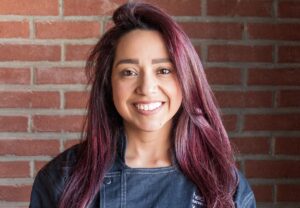
Flannery Whatley
Community Nutrition Manager
Flannery Sullivan is the Community Nutrition Manager at the Rhode Island Community Food Bank. She moved to Rhode Island from Maryland in 2016, following her love of feeding and taking care of others to study Culinary Nutrition at Johnson & Wales University. Flannery also received a Master of Science in Nutrition Education from American University in August of 2022. Flannery completed her nutrition internship with the Food Bank in the summer of 2019 where she realized how much she loved working, cooking and learning together with the different communities in Rhode Island. Shortly after graduating with her Bachelor of Science degree from JWU, became a full-time member of the nutrition education team at the Food Bank, taking on the role of manager in the summer of 2022.
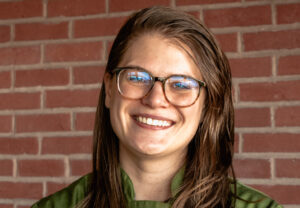
Layleen Suero
Community Nutrition Coordinator
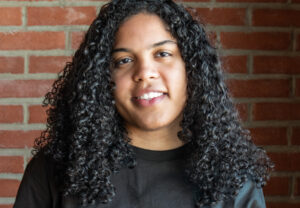
Andrea Aguilar
Community Nutrition Coordinator
Join Our Email List
Stay up to date on the need for food assistance in our community and how you can help.